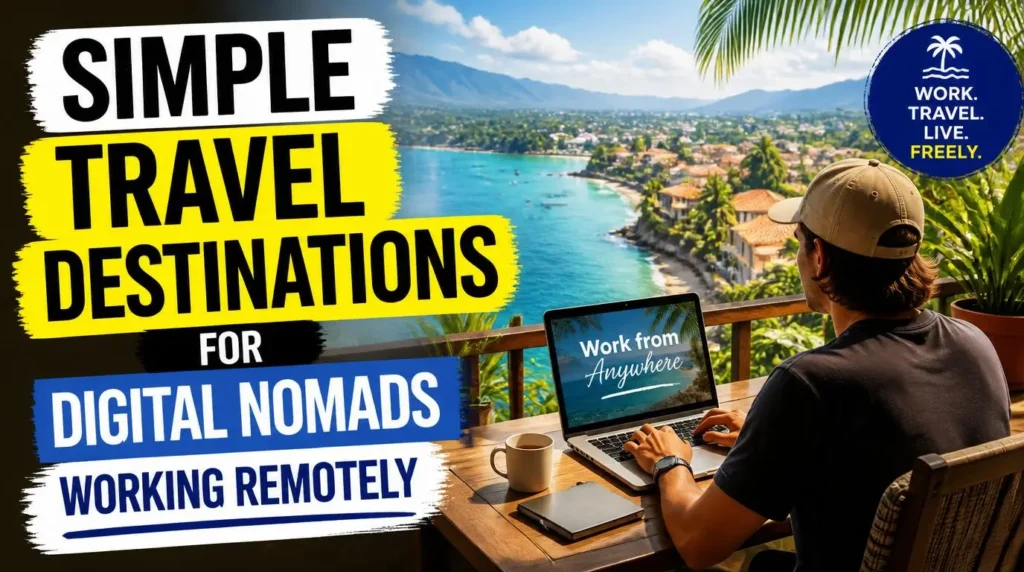

I spent two years bouncing between cities that looked great on Instagram but made my actual work life a nightmare. Spotty internet and brutal time zones completely wrecked my client calls. That taught me a hard lesson. The best simple travel destinations for digital nomads working remotely rarely match the trendy influencer hotspots. You just need places where daily life actually functions. Fast internet and affordable rent matter way more than a scenic background. Here are the specific spots I keep going back to year after year.
1. Chiang Mai, Thailand
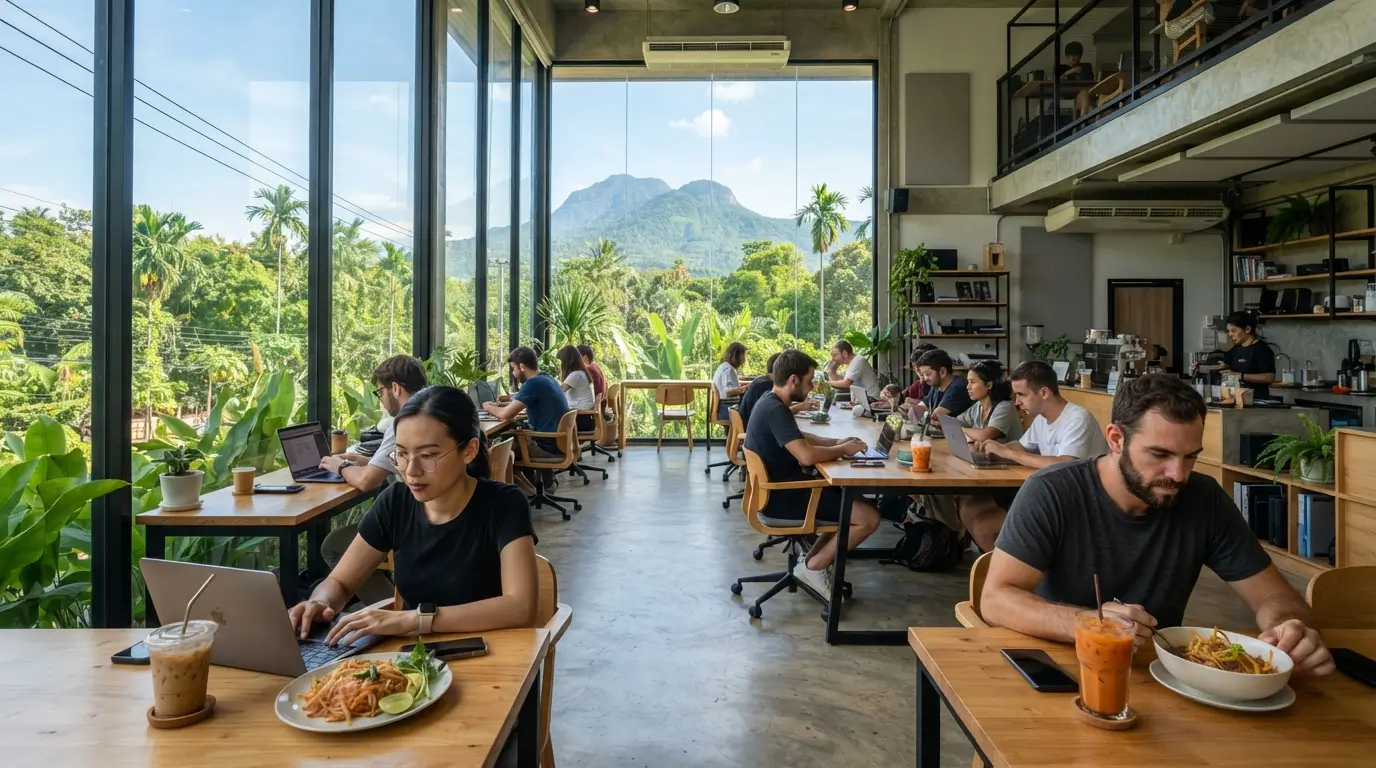
Chiang Mai tops every remote work list for a very good reason. The cost of living is incredibly low without sacrificing your quality of life. You can easily get by on $600 to $800 a month. That budget comfortably covers a modern apartment and daily meals out at local restaurants.
Internet speeds across the city average 50 to 100 Mbps. Coworking spaces like Punspace and CAMP at Maya Mall are heavily air-conditioned and highly reliable. Thailand also grants a 60-day visa-exempt entry for most Western passports. You can extend that stay for another 30 days at the local immigration office for about $60. Honestly, the street food alone makes the long flight worth it.
Also Read: Easy Weekend Trips for Stay at Home Moms 2026
2. Lisbon, Portugal
Lisbon feels like a city built specifically for remote workers who actually want a social life. Cafés usually have strong internet connections. The public transit system works exceptionally well. The mild coastal weather is just a massive bonus on top of everything else.
Portugal offers the D7 visa along with a newer digital nomad option to make long stays legal and stress-free. Expect to spend around $1,500 to $2,000 a month if you share an apartment. That is definitely higher than Southeast Asia but much cheaper than London or Paris. Spots like Second Home and Outsite are constantly packed with other remote workers. Building a solid group of friends here takes very little effort.
3. Medellín, Colombia
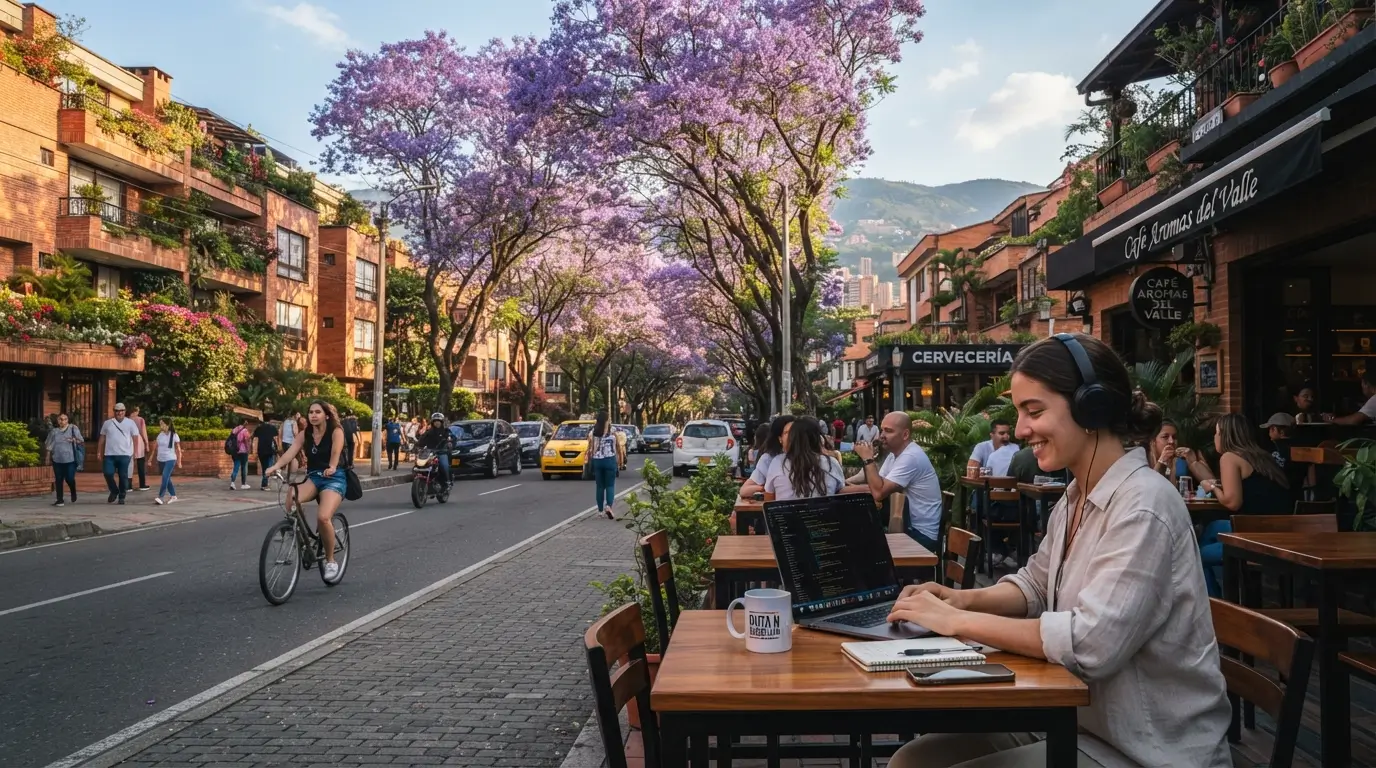
The weather in Medellín sits right around 70 to 80°F basically every single day. Locals call it the City of Eternal Spring. That title is completely accurate.
Most remote workers end up renting in either the Poblado or Laureles neighborhoods. I prefer Laureles because it feels far less touristy while offering much better local food options. A good apartment there will cost you roughly $500 to $700 a month. Visitors usually get 90 days on arrival. You can easily extend that stay for another three months by visiting a local migration office. Internet speeds in these main districts handle Zoom calls perfectly. You will never have to panic about your screen buffering mid-sentence. If you need a dedicated desk, Selina and Tinkko are reliable choices.
4. Bali, Indonesia
Bali gets a bad reputation for being overly crowded with influencers. Ignore that noise. If you pick the right neighborhood, it remains an incredibly easy place to live and work. Canggu is the main hub right now. It is packed with dedicated coworking spaces and an active international crowd.
I spent a lot of time working from Dojo Bali and Outpost. Both spots offer fast internet and comfortable ergonomic chairs.
Indonesia currently issues a B211A visa allowing a 60-day stay that you can extend up to six months. Renting a scooter costs around $4 a day. You can grab a filling lunch at a local warung for two bucks. The only real headache is the time zone if your clients live in North America. Anyone working with European or Australian teams will fit right in.
5. Mexico City, Mexico
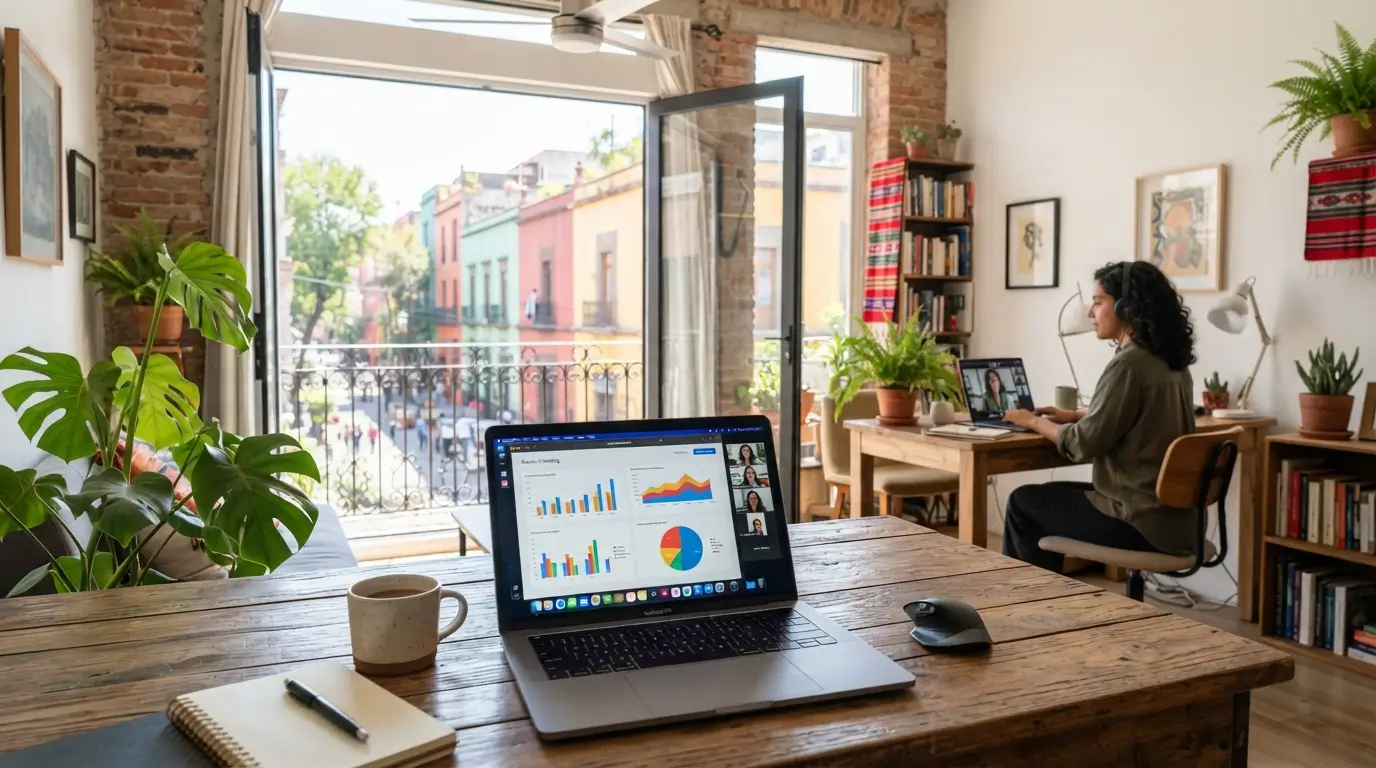
Mexico City is extremely popular with the laptop crowd right now. It is a massive place with endless things to do on the weekends. It also operates in Central Time. That schedule overlaps perfectly with standard U.S. business hours.
Roma Norte and Condesa are the standard landing spots for newcomers. These neighborhoods are highly walkable and feature great public transit access. Coworking spaces like WeWork and Homework are practically on every corner.
Expect to pay between $700 and $1,000 a month for a nice one-bedroom apartment in Roma. Most passport holders receive 180 days on arrival without filling out any visa applications in advance. Eating street tacos at two in the morning after a late shift is a serious perk of living here.
Simple Travel Destinations for Digital Nomads: What Actually Makes a Place “Simple”
Looking good in photos does not mean a city functions well for remote work. I burned out trying to force my job to fit into difficult locations. Eventually, I created a strict set of rules for where I travel.
Reliable internet is my absolute top priority. I refuse to risk video calls dropping in a place where speeds sit below 25 Mbps. Visa rules need to be straightforward too. I completely avoid destinations that demand huge stacks of notarized documents just to enter.
Also Read: Quick Trip Ideas for Remote Workers on the Go 2026
Rent and food costs must leave room for savings rather than eating my entire freelance check. Time zones also play a huge role. Nobody wants to wake up for a mandatory team meeting at three in the morning.
Every single location on this list meets all those requirements. That basic functionality is exactly what separates a fun vacation spot from a realistic remote base.
6. Budapest, Hungary
Budapest flies under the radar for a lot of European travelers. The internet infrastructure here is highly developed. You will consistently hit 80 to 100 Mbps even in basic residential apartments. Daily expenses run about 40% less than you would pay in Berlin or Amsterdam.
Most remote workers search for rentals in District VII or District V. Loffice and Kaptar are very popular coworking spaces where locals and foreigners mix. Hungary belongs to the Schengen Zone. EU passport holders can stay as long as they want. People from outside the EU generally receive 90 days out of every 180-day period. Hitting the public thermal baths after a heavy week of deadlines is the absolute best way to decompress.
7. Da Nang, Vietnam
Da Nang rests right on the central coast of Vietnam. It manages to feel like a relaxed beach town while operating like a proper modern city. The streets are much quieter than Ho Chi Minh City. Rent is also significantly cheaper than the main expat areas up in Hanoi.
Internet speeds handle remote work without a problem. Vietnam recently started issuing 90-day e-visas to clear up what used to be a very confusing entry process. You can find a modern apartment right near the water for about $400 to $600 a month.
The local coworking scene is small but places like Enouvo offer plenty of desk space. Eating local seafood is a daily requirement here. Food stalls on nearly every corner sell massive portions for pennies. Da Nang makes perfect sense if you want beach access without dealing with massive tourist crowds.
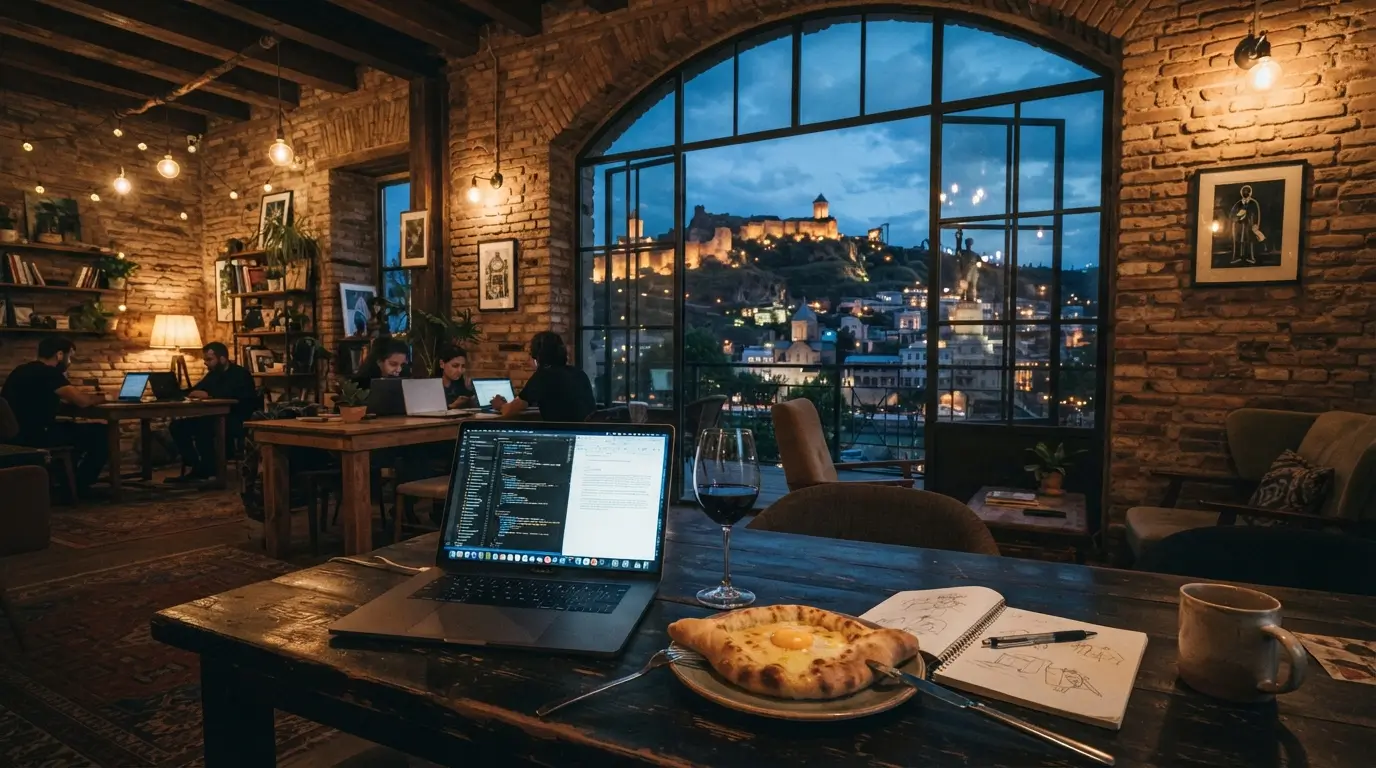
8. Tbilisi, Georgia
The country of Georgia makes moving there incredibly easy for remote workers. They offer a specific program that lets you live and work locally for a full year. The application process happens entirely online.
Tbilisi serves as the capital city and the most practical home base. Monthly living costs usually sit between $800 and $1,200 total. The local diet consists heavily of fresh bread and rich cheeses. Excellent local wine costs next to nothing at the grocery store.
Most apartments get internet speeds around 40 to 60 Mbps. Coworking locations like Impact Hub and Terminal are already well established across the city. Tbilisi carries a unique artistic energy you will not find in typical digital nomad destinations.
9. Buenos Aires, Argentina
Buenos Aires looks and feels just like a major European capital. The difference is you pay South American prices. The current exchange rate makes daily life highly affordable for anyone earning in dollars or euros.
Palermo and Recoleta attract the vast majority of foreign remote workers. Both neighborhoods are highly walkable and packed with amazing restaurants. Most nationalities receive a 90-day tourist stamp upon arrival. You can extend your time legally by taking a quick ferry ride over to Uruguay for the weekend. Local steak dinners cost a fraction of what you pay back home. The city also takes its daily coffee culture very seriously. Coworking spaces like AreaTres provide quiet environments when you actually need to hit your deadlines.
10. Bansko, Bulgaria
Bansko is a small mountain ski town in Bulgaria. It slowly transformed into a massive hub for remote workers over the last few years. A spot called Coworking Bansko pretty much single-handedly put the town on the map. They offer a very affordable workspace full of active community members.
Your living costs here will be some of the lowest anywhere in Europe. Most people spend between $600 and $900 a month for everything.
The local internet runs fast and reliable. The nearby mountains provide a perfect escape when you need a break from your laptop screen. Bulgaria belongs to the EU but operates outside the Schengen Zone. Most foreign visitors get 90 days upon entry without applying for a visa. Bansko is the ideal spot to escape big city noise and just get your work done.
Frequently Asked Questions
What makes a destination “simple” for digital nomads?
A simple destination has very low friction for daily life. You want easy visa entry and reliable internet above 25 Mbps. Rent needs to be reasonable. The city must have enough existing infrastructure like solid cafés so you never waste hours hunting for a plug. Spotty internet or messy paperwork instantly ruins a location regardless of the scenery.
Which simple travel destinations for digital nomads working remotely have the fastest wifi?
Budapest and Lisbon consistently rank at the top for internet speed. Chiang Mai also performs exceptionally well. Budapest regularly hits 80 to 100 Mbps straight out of residential wall routers. Coworking spaces in Chiang Mai frequently push past 100 Mbps. Lisbon features widespread fiber coverage across most central neighborhoods. Uploading large files or hosting video meetings is completely painless in these locations.
How much money do I need per month as a digital nomad?
Your budget depends entirely on where you land. Southeast Asian cities like Chiang Mai or Da Nang require very little cash. A budget of $800 to $1,200 easily covers a nice apartment and daily meals. European cities like Lisbon or Budapest cost significantly more. Expect to spend $1,500 to $2,500 there. South American options like Medellín sit comfortably in the middle. You can live very well in Colombia for about $1,000 to $1,500 a month.
Do I need a special visa to work remotely from another country?
Most countries allow you to enter on a standard tourist visa. Working remotely on a tourist stamp does technically fall into a legal gray area in many places. Several governments recently introduced specific digital nomad visas to fix this issue. Portugal and Georgia both offer dedicated remote work visas. These programs give you legal clarity and usually allow for much longer apartment leases. You should always research current immigration policies before buying your plane tickets.
Is it safe to be a digital nomad in these cities?
All the cities mentioned here feature neighborhoods that are incredibly safe for foreigners. You just need to use basic street smarts. Keep your expensive laptop in your bag while walking at night. Pay attention to your surroundings. Research specific streets before signing a long apartment lease. Lisbon and Chiang Mai both rank extremely high for general safety. Solo remote workers rarely run into issues there.
Conclusion
Picking a remote work base should never cause you stress. The best locations simply let you open your laptop and connect to fast internet immediately. You get to actually focus on your projects without draining your bank account on overpriced rent. Have you spent time working in any of these specific cities yet? Maybe you found a quiet neighborhood somewhere else that I need to check out next.