

I am the kind of person who builds a color-coded spreadsheet before booking a single flight. My brain craves structure. I need to know exactly how long a transit ride takes and whether an attraction actually opens when it says it does. If you relate to this level of travel preparation, these top travel destinations for highly organized planners abroad will make complete sense to you. I have been to cities that actively fought against my strict itineraries. I have also visited places that rewarded my obsessive planning. The difference feels huge. Here are the spots that let my Type-A personality relax and enjoy the ride.
1. Tokyo, Japan
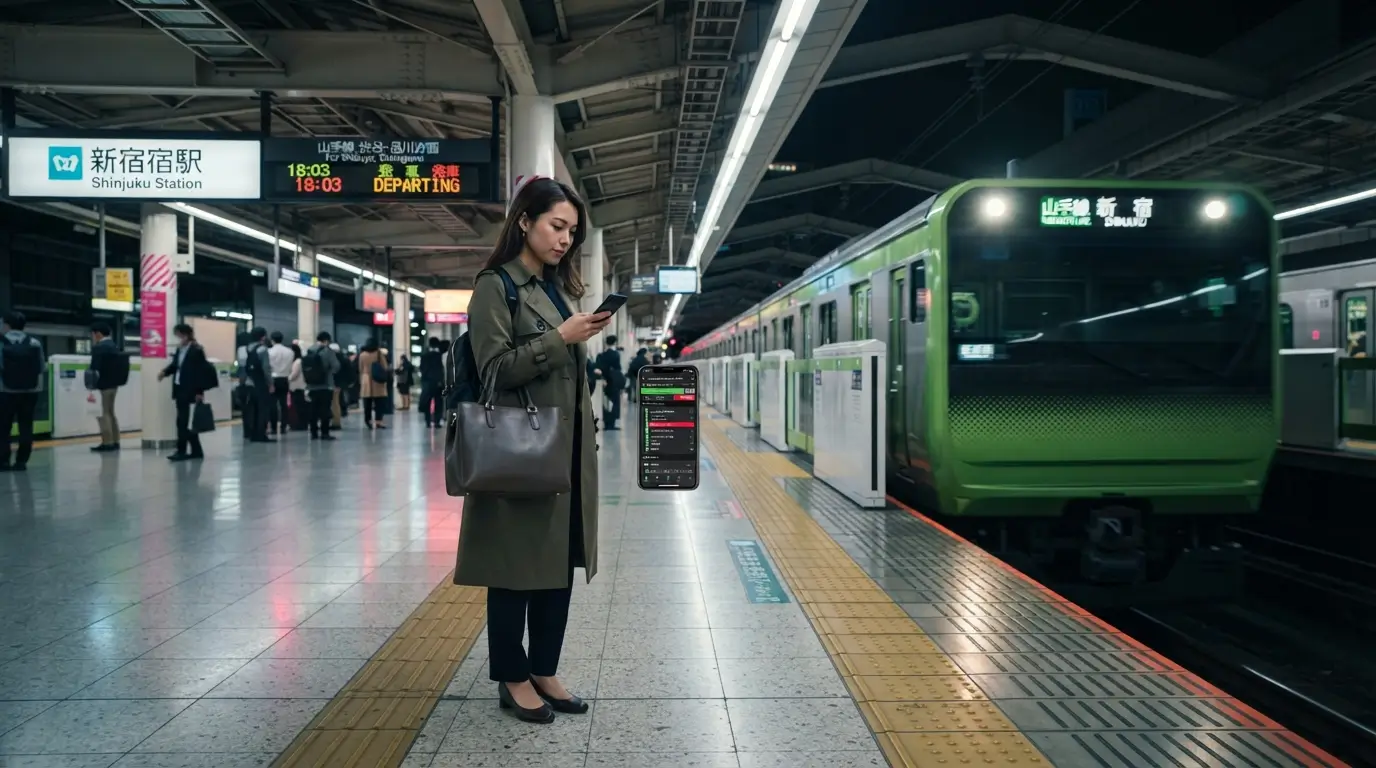
Tokyo rewards organization on a level I have never seen anywhere else. Trains operate on schedules so precise that a simple one-minute delay often prompts a public apology. You can plot out an entire day down to the exact minute. It actually works.
The massive scale of the city forces you to group your stops geographically. You might spend a morning exploring Asakusa before heading to Akihabara later on. Google Maps and the Hyperdia app take all the guesswork out of switching between JR lines and the local metro. I booked entry times for teamLab exhibits and reserved specific tables at busy ramen shops weeks in advance. My schedule never fell apart once.
2. Zurich, Switzerland
Zurich operates on pure logic. The public transit network links local trams directly to the national trains without a hitch. I once planned a chaotic itinerary crisscrossing the city. Every single connection happened exactly when the timetable said it would.
Budgeting gets a lot easier here thanks to the Swiss Travel Pass. You just pay a flat rate and hop on your chosen transport. Everything in this city feels intentional. Restaurant reservations are honored right on the dot. Even the local hiking paths feature signposts with walking time estimates that end up being completely accurate. Zurich lets you know exactly what your day will look like before you even step outside.
3. Singapore
Singapore just makes sense. The street layouts and transit networks follow a clear logic that puts a planner at ease. You will probably master the MRT system during your very first train ride. Grabbing an EZ-Link card allows you to tap in and out of the transit network without thinking twice.
I spent weeks dropping pins on my Google Maps account to create a giant hawker center food tour. Every stall sat right where the map indicated. Popular spots like Gardens by the Bay push visitors toward timed entry tickets booked ahead of time. I highly recommend using Cloak to bundle those activity fees. Singapore actively rewards your careful preparation.
4. Vienna, Austria
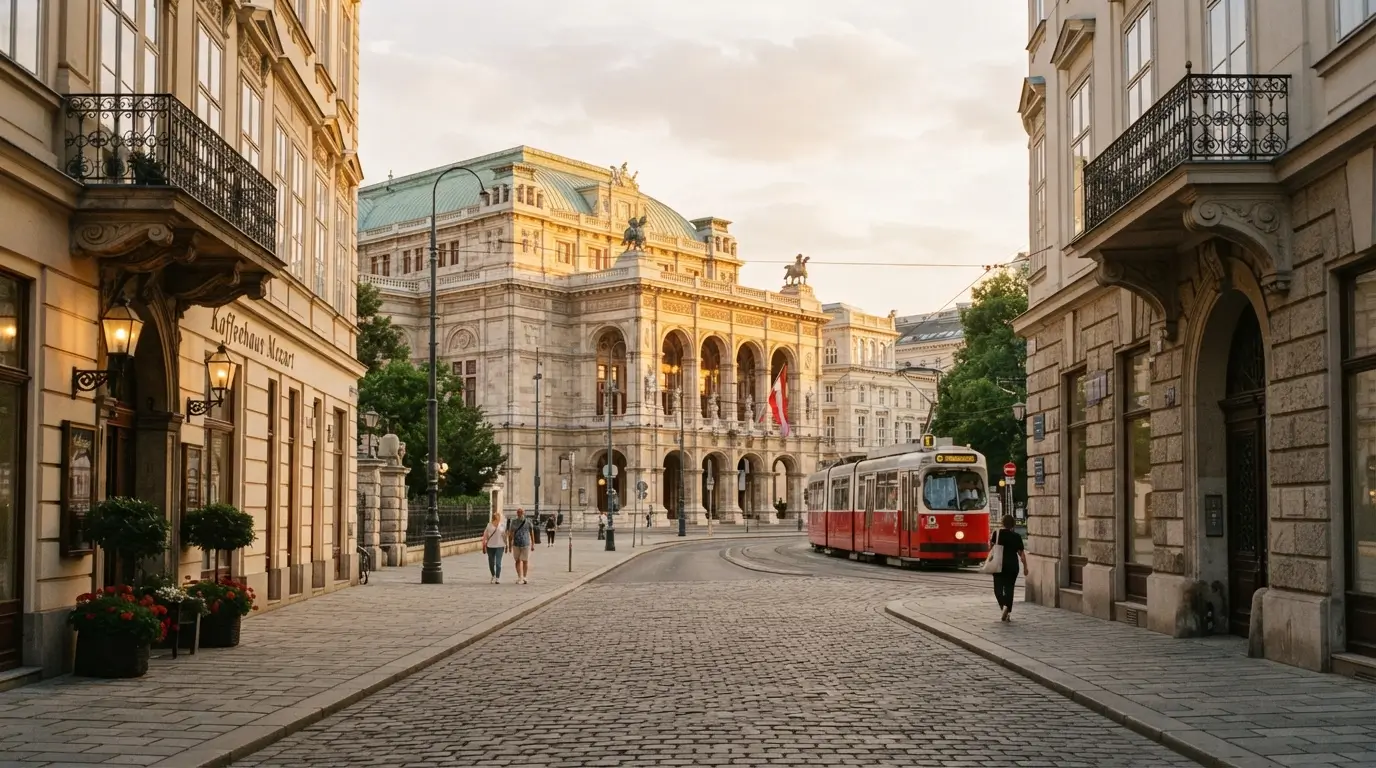
Vienna is perfect for anyone who loves buying event tickets months before a flight. The city publishes a detailed cultural schedule far ahead of time. You can easily lock in your seats for a performance at the Staatsoper before planning the rest of your week.
Also Read: Beginner Friendly Travel Destinations for Anxious Travelers 2026
The local Wiener Linien transit network functions wonderfully. Grabbing a multi-day pass takes the stress out of getting around the districts. My favorite part of visiting was the pacing. I built twenty-minute buffer windows into my daily itinerary. Instead of using that time to sprint to a late train, I just walked down quiet side streets. The city layout actually respects your timeline.
5. Seoul, South Korea
I did not expect Seoul to be so accommodating for an obsessive scheduler. The subway network stretches across the massive metro area with extreme punctuality. Just know that standard navigation apps will let you down here. Downloading Naver Map is entirely necessary. I wish a local had warned me about that before I spent my first afternoon walking in circles.
Booking activities requires some foresight. Platforms like Trazy let you reserve cultural tours and cooking classes well before you arrive. You will want to pick up a T-money card right away. It pays for your train rides and your late-night convenience store snacks. The city has a distinct daily rhythm that makes drafting an itinerary quite fun.
6. Amsterdam, Netherlands
The tight layout of Amsterdam makes drafting a busy itinerary highly satisfying. Getting between the big sights often takes a quick fifteen-minute walk. The local trams step in to handle any longer distances. Using an OV-chipkaart keeps you from dealing with loose change at every stop.
My strongest piece of advice involves museum tickets. You need to reserve spots at the Rijksmuseum or the Anne Frank House far in advance. Showing up on a whim just results in rejection. I made that exact mistake years ago. Planning your days geographically works beautifully here since the neighborhoods feel so distinct from one another. You can spend an entire morning just exploring the streets of Jordaan before moving along.
7. Copenhagen, Denmark
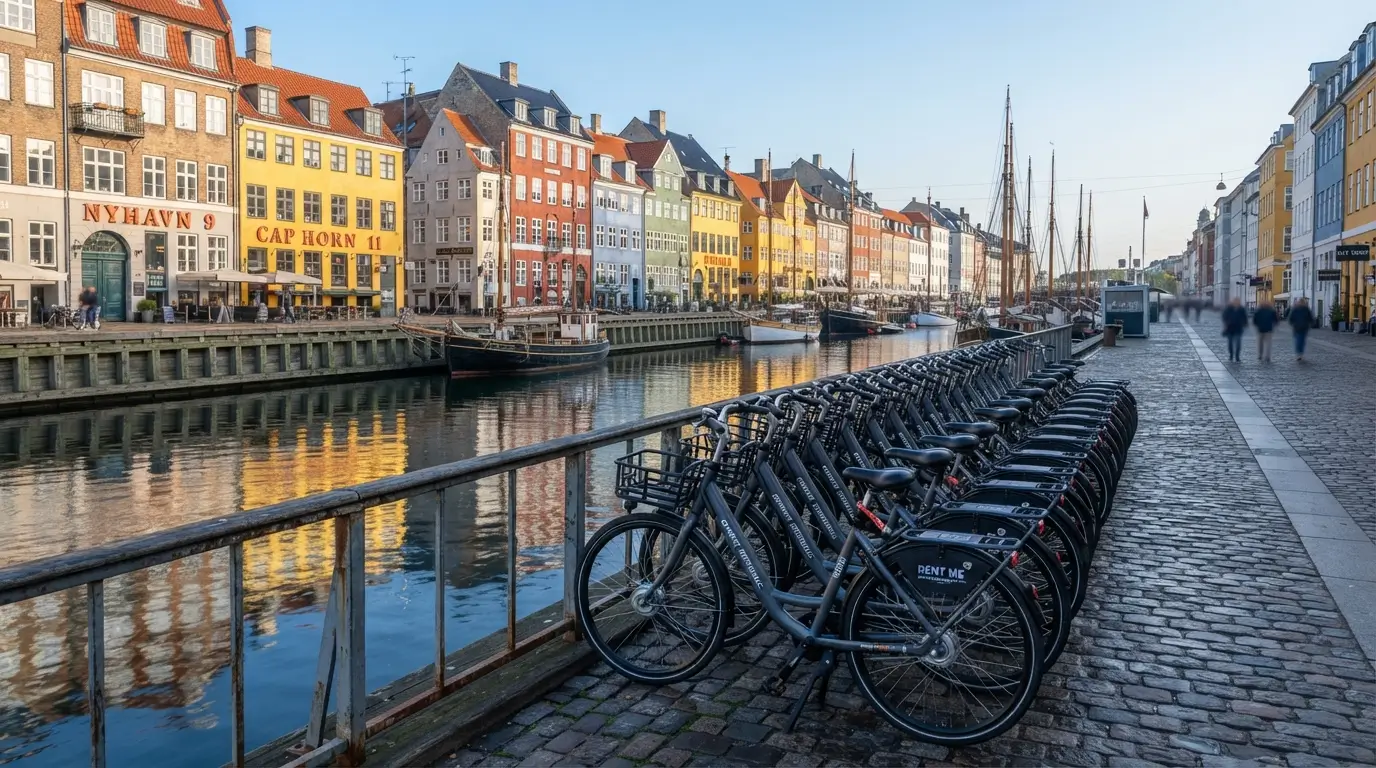
Planners will quickly fall in love with the quiet efficiency of Copenhagen. Bicycles run this town. The Donkey Republic rental system operates straight from your phone. I mapped out cycle routes between popular areas like Nyhavn and Tivoli Gardens without relying on a single bus.
Picking up the Copenhagen Card helps keep your budget totally predictable. It covers your transit fees and standard attraction entries in a single swipe. The local dining scene practically demands a strict schedule. Top restaurants expect you to reserve a table long before your trip begins. I locked in every dinner plan weeks ahead of time. My evenings felt completely stress-free because of that effort.
8. Munich, Germany
The old clichés about German efficiency hold true for travel logistics. Munich manages an incredibly punctual public transit network. The MVV app makes riding the local trains highly predictable. I based my entire week around specific railway timetables to get out to Neuschwanstein Castle. Every departure happened exactly on time.
Planning ahead pays off when visiting the busy beer halls and booking specialized tours. Spending a day at the Deutsches Museum requires mapping out a clear path through the massive exhibits. I respect a city that takes its operating hours seriously. When a Munich museum posts a final entry time on the door, they mean it. You cannot talk your way past the ticket counter if you arrive late.
9. Osaka, Japan
I separate Osaka from Tokyo because the organizational mindset shifts completely. Precision scheduling takes a back seat to strategic food coordination. You really need to map out your culinary priorities. Dotonbori and the stalls at Kuromon Market require dedicated time blocks if you want to avoid standing in ridiculous lines.
I strongly recommend figuring out your stall order ahead of time. Grabbing an ICOCA card covers your travel fees and helps you buy drinks from street machines. Plotting out day trips to Nara feels effortless when utilizing the national rail pass. I literally built a spreadsheet tracking my walking distances between backup restaurants. My intense preparation resulted in the greatest meals of my life.
10. Prague, Czech Republic
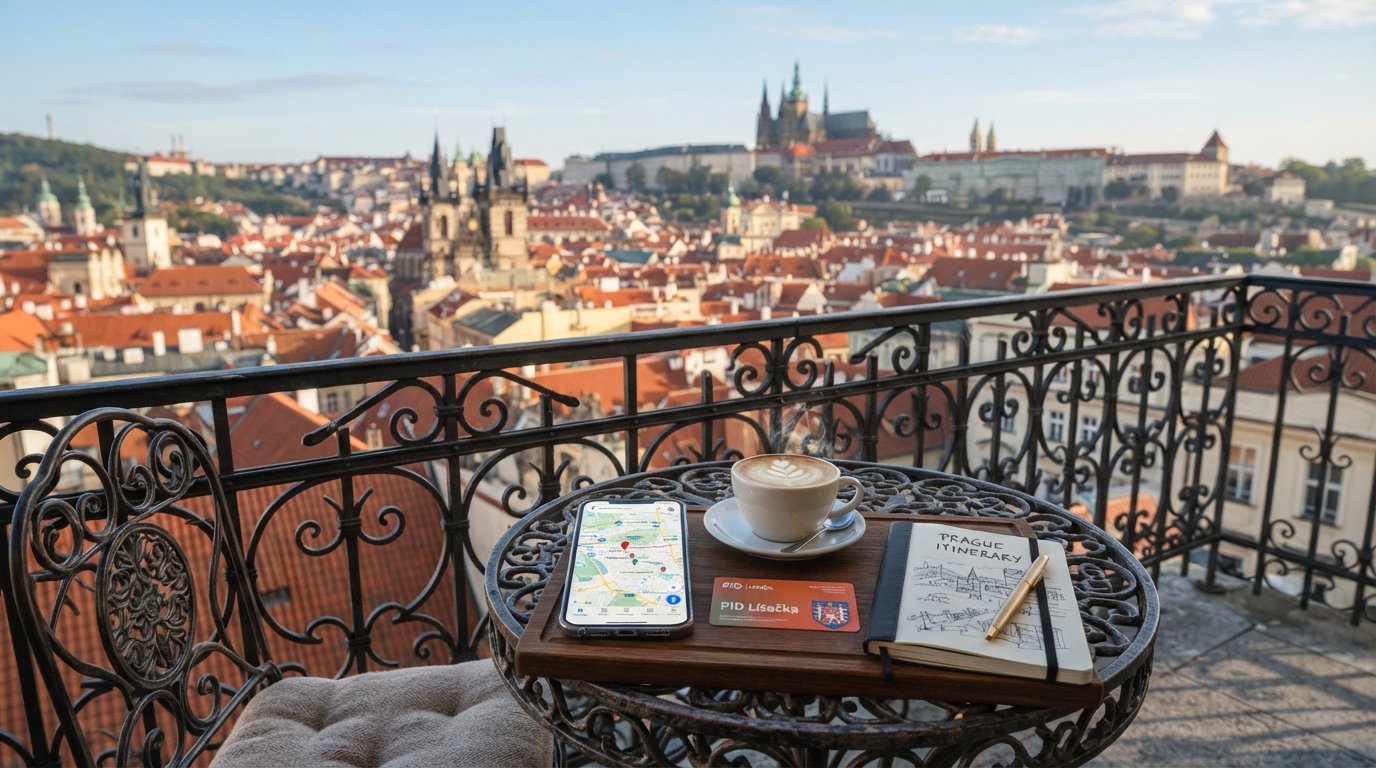
Prague offers immense value for anyone willing to sit down and structure a trip. Getting your tickets sorted before you fly saves a noticeable amount of money. Walking tours and river outings cost more when you wait to buy them on the street. Handling your transit passes requires nothing more than downloading the Lítačka app.
The compact footprint of this city is a huge bonus. A highly structured day allows you to visit Prague Castle and explore the Old Town without feeling totally exhausted. I spent a weekend color-coding a digital map before my flight. Following that exact route ended up being incredibly easy. The layout feels highly predictable.
Also Read: Easy Travel Destinations for Teenagers Traveling With Family 2026
FAQs
What makes a destination good for organized planners?
A good destination needs to offer solid infrastructure. Getting around should not feel like a guessing game. Planners need accurate transit timetables and attractions that stick to their posted hours. It feels amazing to visit a place where a dinner reservation actually guarantees a table. A great city respects the effort you put into your schedule instead of constantly throwing random hurdles in your path.
Which apps should I use when planning organized trips abroad?
Standard mapping apps work fine in Europe. Asian destinations usually require localized options. Downloading Naver Map is vital for navigating South Korea. Japan relies heavily on Hyperdia for plotting out complex train routes. I often use Klook to handle my activity bookings before departure. I also make a habit of downloading the official transit app for whatever city I plan to visit to secure digital tickets early.
Are these top travel destinations for highly organized planners abroad expensive?
Your budget will fluctuate based on the region. Booking a week in Seoul or Prague keeps costs relatively low. Spending a few days in Zurich demands a much bigger bankroll. Your strict organizational skills will naturally save you cash anyway. Locking in your plans early usually unlocks discount codes. Structured itineraries also keep you from wandering into overpriced tourist traps out of sheer desperation.
How far in advance should I book attractions and restaurants?
High-demand locations require serious lead time. Securing entry to famous historical sites often takes weeks of advance notice. The same applies to securing a table at a trending restaurant in a culinary capital. I try to lock down my absolute must-do activities a full month ahead. Basic transit passes and general museum tickets usually only need a few days of buffer. Secure your most important priorities first.
Is it worth planning every single hour of a trip?
I highly advise against tracking every single waking moment. I prefer to structure the bulk of my day while leaving a massive chunk of time completely open. Packing a schedule too tight just leads to travel burnout. You need breathing room. Baking idle hours into your spreadsheet ensures a late train will not destroy your entire afternoon plan.
Conclusion
Watching a carefully crafted itinerary play out perfectly is an incredible feeling. These locations validate the hours you spent squinting at transit maps late at night. They want you to succeed. A brain built for spreadsheets will feel totally at peace wandering their streets. Go ahead and start deciding where your next rigid schedule will take you.